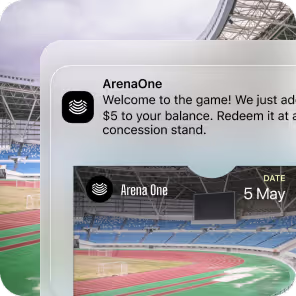
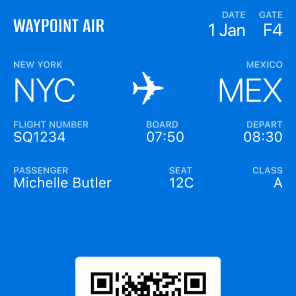
The Membership Activation Gap
Amex has arguably the strongest benefit stack in consumer finance, and still says the value dies before members use it. If it is hard for them, it is harder for everyone else.
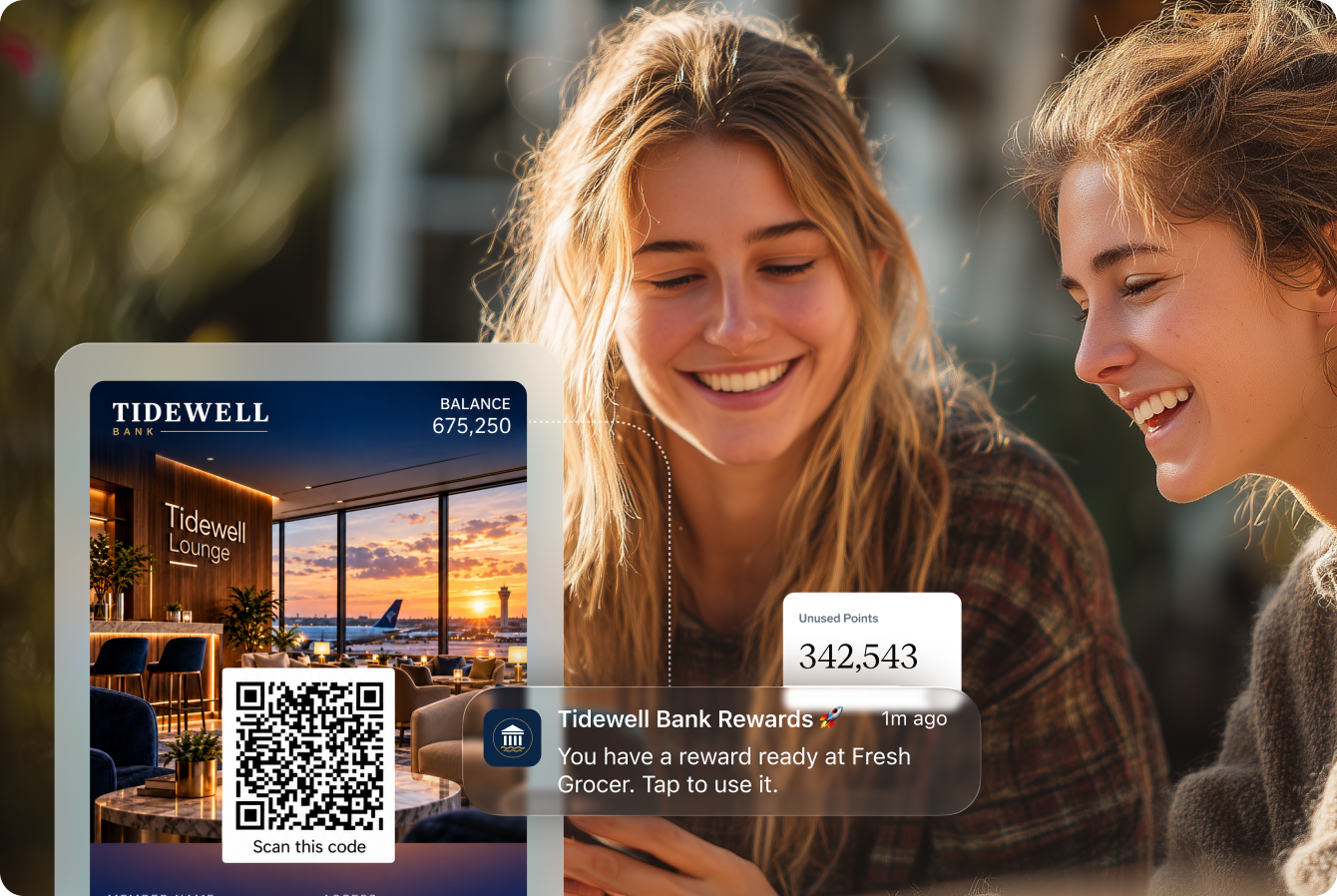
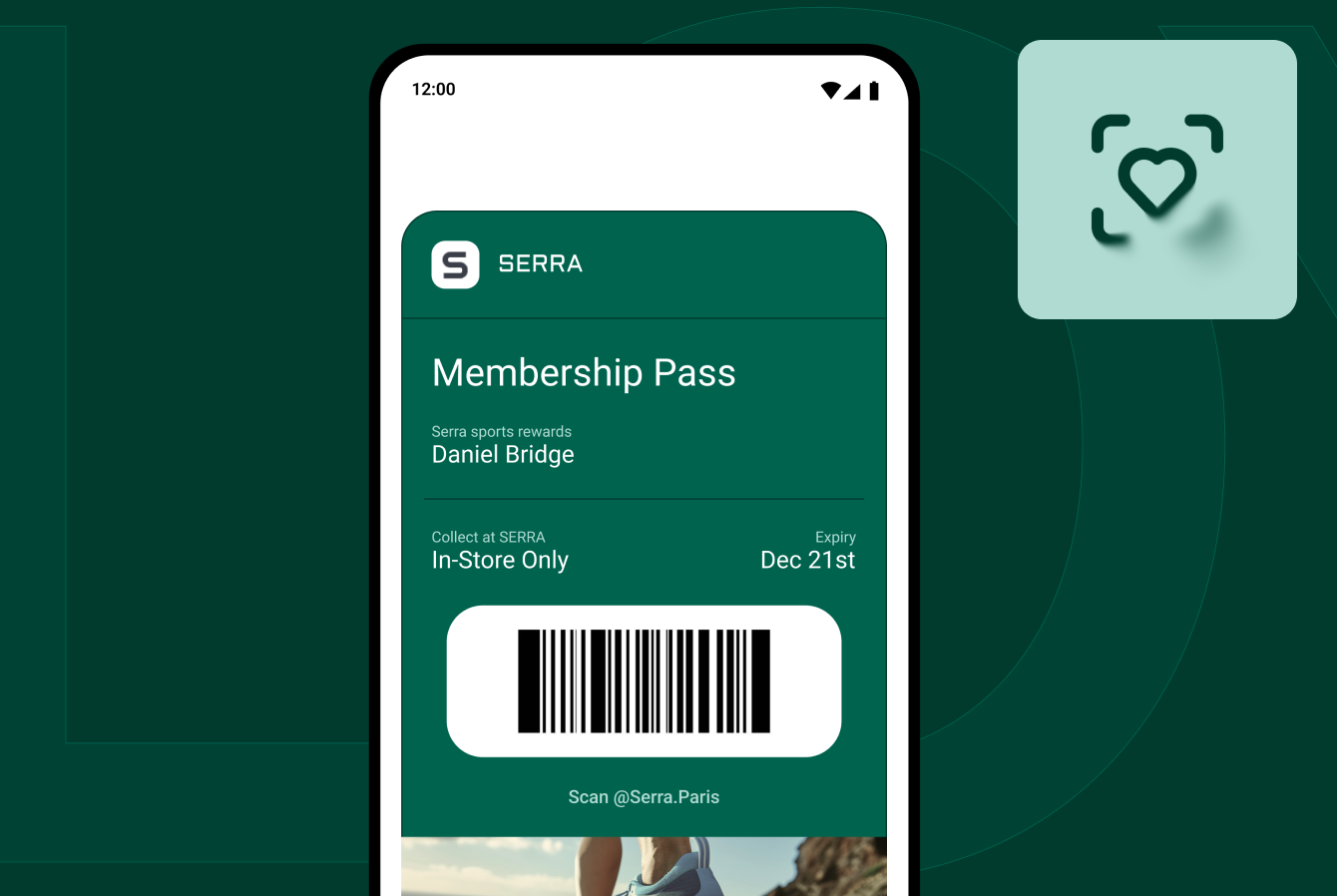
Amex Named the Membership Activation Gap.
Membership is a promise of ongoing value. Someone joins because they expect access, recognition, convenience, or rewards that make the relationship worth keeping. Delivering on that promise takes more than putting benefits in an account. Members have to know what’s available and be able to use it.
That’s why membership matters to us at Badge. A digital membership card can do more than prove someone belongs. It can connect them to the benefits of belonging: their rewards, their status, and the next action they can take.
The gap between having a membership and experiencing its value is where programs lose momentum. Amex recently described its approach to that problem, and the lesson extends well beyond premium credit cards.
Why don’t members use the benefits they already have?
In a Forbes interview, Lisa Kalhans, who leads American Express’s proprietary products, rewards, and benefits organization for US consumer cards, framed the company’s ambition this way: “How can we not sell a card or points? How do we deliver membership?”
The distinction matters. Points give members something to accumulate. Membership gives them a reason to advocate for the brand. But advocacy is downstream of experience, and benefits only create experience when people discover and use them.
Amex describes a cycle in which experiences drive emotion, emotion drives usage, and usage creates more opportunities for experiences. Look at which part of that cycle is actually under the program’s control. A brand can create experiences. A brand can, with enough craft, create emotion. Usage is the only step that depends on the member deciding, unprompted, to show up.
A benefit someone never discovers does not shape how they feel about the program. A reward left unused does not do the work of a reward that makes a purchase easier or an experience better.
This is measurable, and the number is larger than most operators expect. Deloitte’s 2025 Consumer Loyalty Program Survey, covering 5,564 US adults who belong to loyalty programs, found that 40% sometimes forget to redeem rewards they have already earned. Not rewards they failed to qualify for. Rewards sitting in an account, waiting.
For a membership operator, that raises a useful question: before investing in another benefit, how easy is it for members to use the benefits already available?

What Amex’s app strategy teaches other programs
Amex’s approach includes making benefits easier to discover and activate inside its app. The Forbes interview describes new journeys that explain benefits, one-click enrollment, and a Resy integration that brings reservations into the Amex experience.
The principle is straightforward: reduce the work between discovering a benefit and using it.
An app is a good place to do that when members already have frequent reasons to open it. Amex has an established account relationship, a premium annual fee, a lounge network, and access to tables that are otherwise difficult to book. The app is worth the friction.
Other programs start somewhere else. Building an app is a recurring investment rather than a one-time build, and getting members to download it, sign in, and come back is a separate challenge on top of that. For many programs, the app is the thing standing between a prospective member and enrollment. The question worth asking is how much effort your program requires before a member receives any value at all.
The transferable part of Amex’s strategy is making benefits easier to use. Each program needs to choose a delivery method that fits its members’ habits.

What a wallet pass does that an app cannot
The two surfaces are not interchangeable, and the differences run deeper than install friction.
Reach without acquisition. Wallet is already on the device. An app reaches the members who downloaded it. A pass reaches anyone willing to tap Add, with no app store, no account creation, and no password to forget later.
Notifications without an opt-in prompt. This is the asymmetry most programs underestimate. When someone adds a pass, Apple and Google’s own terms treat that as consent for pass notifications, and the setting is on by default. An app has to ask separately, and most people decline. A program with a small app install base and a smaller notification opt-in rate is reaching a fraction of a fraction.
Updates without a release cycle. Changing what a pass says, or what it links to, reaches every installed pass over the air. No app store review, no waiting for members to update to the current version.
Presence without being opened. A pass can surface on the lock screen when it becomes relevant, which means the program does not depend on the member remembering it exists. That is the activation gap, addressed directly.
None of this makes an app the wrong choice. Amex’s app does things a pass cannot: deep account servicing, a full benefits catalog, booking flows with real complexity. The point is that the two surfaces answer different questions. An app is where a member goes to manage the relationship. A pass is where the relationship finds them.
Bring membership identity and benefits together
A membership card is a natural place to connect identity with access.
It can help a member answer three practical questions: What do I have? What can I use? What do I do next?
That opportunity extends beyond points redemption. A membership might provide an account balance, preferred pricing, appointments, reservations, or access to an experience. In each case, the program needs to connect someone’s membership status to an action they can take.
When the credential and the benefits live in separate places, the member has to make that connection themselves. They may need to find an email, remember a password, or navigate a portal before they can use something they already have.
Bringing those elements closer together makes the membership card more useful throughout the relationship.
Where does a wallet pass fit?
A digital wallet pass puts the membership credential somewhere already available on a member’s phone, and that surface is no longer a niche one. Digital wallets reached 11.8% of most recent in-store purchases in 2025, effectively level with cash at 12.1%, according to PYMNTS Intelligence.
The pass carries information such as a balance, tier, or scannable credential, and updates over the air as that information changes. It can also provide a path to the services and benefits associated with the membership.
Adding a pass does not require downloading a separate membership app. Programs may still need to authenticate members or complete enrollment, but the credential itself lives in the wallet.
That makes wallet a strong fit for programs whose members need quick access to a card and a few relevant actions. It also complements an existing app by making common membership tasks easier to reach.
The goal is a shorter path from “I’m a member” to “Here’s what my membership lets me do.”
Make the next action clear
The design of that path matters as much as the location of the card.
A member checking a rewards balance should have a clear way to find available rewards. Someone presenting a membership credential may also need to view benefits, add funds, or make a booking.
Apple made this concrete with iOS 27, which shipped on September 14, 2026. Featured Actions put up to two tappable cards alongside a pass in the Wallet app, chosen from a fixed set of fourteen that Apple defines. Here is the detail worth sitting with: nine of those fourteen are Membership actions, more than the Events and Generic categories combined. The list reads like it was written for a rewards program:
- Shop Online or In-App
- Add to Balance
- View Offers and Rewards
- View Membership Benefits
- Order Delivery or Pickup
- Book an Appointment, plus Book a Stay, Book a Flight, and Book a Car
Apple did not ship a generic link field. It shipped a vocabulary of membership and commerce actions and standardized it, so the experience stays consistent across every program in a member’s wallet.
Read that against the 40% who forget to redeem. “View Offers and Rewards,” sitting on the card a member already carries, is a direct answer. The reward stops being something to remember to go find and becomes one tap from the credential they already use.
For programs, the opportunity is to choose actions that reflect what members actually need. A general link to a website leaves most of the work with the member. A direct route to relevant benefits or a booking flow removes it.
Putting a reward within reach will not guarantee redemption. It does remove one avoidable obstacle between the member and the value they have earned.
Apply the part of the Amex playbook you can control
Amex’s membership strategy combines valuable experiences with ways to help members access them.
Strip it down and there are two halves. The first is inventory: Resy, lounges, events, genuine scarcity bought with fee revenue. Most programs cannot replicate this and should not try. The second is activation: making sure members discover, enroll in, and use what they already have. That half is replicable, and it is where most of the unrealized value sits.
Other programs will have different benefits, budgets, and audiences. The practical lesson still applies: make the value of membership easier to discover and use.
That starts with a few operational questions. Is the member’s information current? Can they find their benefits from the credential they carry? Does the next step take them directly to something useful? How much effort is required each time they return?
These are decisions programs can act on without replicating Amex's portfolio of experiences. They also shift the conversation from how many benefits a program offers to how effectively it delivers them. That shift is what makes advocacy possible, because members do not recommend a program for the benefits listed in the terms. They recommend it for the ones they have actually used.
Delivering membership through Badge
Making a membership pass useful over time requires infrastructure behind it. Credentials need to stay current. Updates need to reach members. Brands need to manage issuance and maintenance across Apple, Google, and Samsung Wallet, each with its own schemas, certificate requirements, and update protocols.
That is where Badge fits: helping programs deliver and maintain the wallet experience that connects members to their benefits.
Blackhawk Network illustrates the operational decision. Rather than maintain wallet infrastructure in-house, the company moved issuance and maintenance of millions of active cards onto Badge. For programs evaluating a similar approach, the question is which parts of the member experience they want to build themselves and which infrastructure they want a partner to operate.
Issuing a digital card is the starting point. Its ongoing usefulness is what makes it part of the member relationship.
Amex’s example leaves every membership program with a question worth answering: how much of the value you offer actually reaches your members, and is it enough for them to tell someone about it?
Before adding another benefit, consider how easily someone can discover and use what they already have.
Talk to us about turning your membership card into a place members can access the value of belonging.
Sources: Jeff Fromm, “Amex Bets On ‘Membership,’ Not Just Points By Expanding To Experiences,” Forbes, February 10, 2026. Deloitte Consumer Loyalty Program Survey, 2025 (5,564 US adults who are loyalty program members). PYMNTS Intelligence, “Apple Pay @11,” 2025. Apple Developer Documentation, “Defining the metadata of your Wallet Pass.”