Digital Wallets Are Catching Cash at Checkout
Digital wallets are now just 0.3 percentage points away from cash at checkout.

New PYMNTS data shows digital wallets are just 0.3 percentage points behind cash for consumers’ most recent in-store purchase. But the more consequential change may be what consumers are increasingly using to fund those wallets.
Digital wallets are now just 0.3 percentage points away from cash at checkout.
New data from PYMNTS Intelligence puts a number on a shift that has been building for years. In 2022, only 0.9% of consumers said a digital wallet was how they paid for their most recent in-store purchase. By 2025, that number was 11.8%, roughly a 13x increase in only three years.
Over the same period, cash fell from 17.6% to 12.1%.
Another measure makes the shift even clearer. In PYMNTS’ survey, 31% of consumers said they had used a mobile wallet in a physical store within the previous seven days, up from 14% in August 2024. Digital wallets are not the dominant way Americans pay in stores yet, but they are firmly mainstream and is the fastest growing method in PYMNTS’ data.
Just as notable, stored wallet balances now account for more than 30% of wallet-funded in-store purchases. This shift underscores that the wallet is increasingly becoming a place where value lives, not just where cards are stored.

The more interesting shift is underneath the wallet
The headline number is compelling. But the part of the report brands should pay closest attention to is where the money inside these wallet transactions is coming from.
For most of the mobile wallet era, the wallet has functioned primarily as a container. A consumer puts a dedit or credit card inside it, and the wallet makes presenting the card easier. The underlying card still does the financial work.
That remains the largest use case today. Across consumers’ most recent in-store purchases, 4.1% were digital wallet transactions funded by a debit card, while another 2.5% were funded by credit cards.
But right behind debit is something different: 3.7% were funded by a balance held directly inside a digital wallet or platform. In 2023, that figure was only 1%. That’s a 270% increase in two years.
Stored balances have gone from a rounding error to nearly matching debit as the underlying source of wallet-funded in-store purchases.

From a container to a persistant surface
That distinction matters.
When a wallet simply holds a card credential, its role is largely transactional: make an existing payment method easier to present.
When value starts living inside the wallet itself, the relationship changes. The wallet begins functioning more like a persistent account. Something consumers keep, return to and use independently of any particular physical card. PYMNTS describes the same evolution, noting that stored balances give wallets a broader role in the payment process.
The important implication for brands isn’t that every company should suddenly hold consumer funds.
It’s that consumers are becoming increasingly comfortable with persistent value living inside Wallet, rather than treating it simply as a digital sleeve for something that exists elsewhere.
That same shift applies beyond payments.
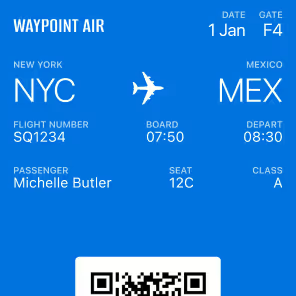
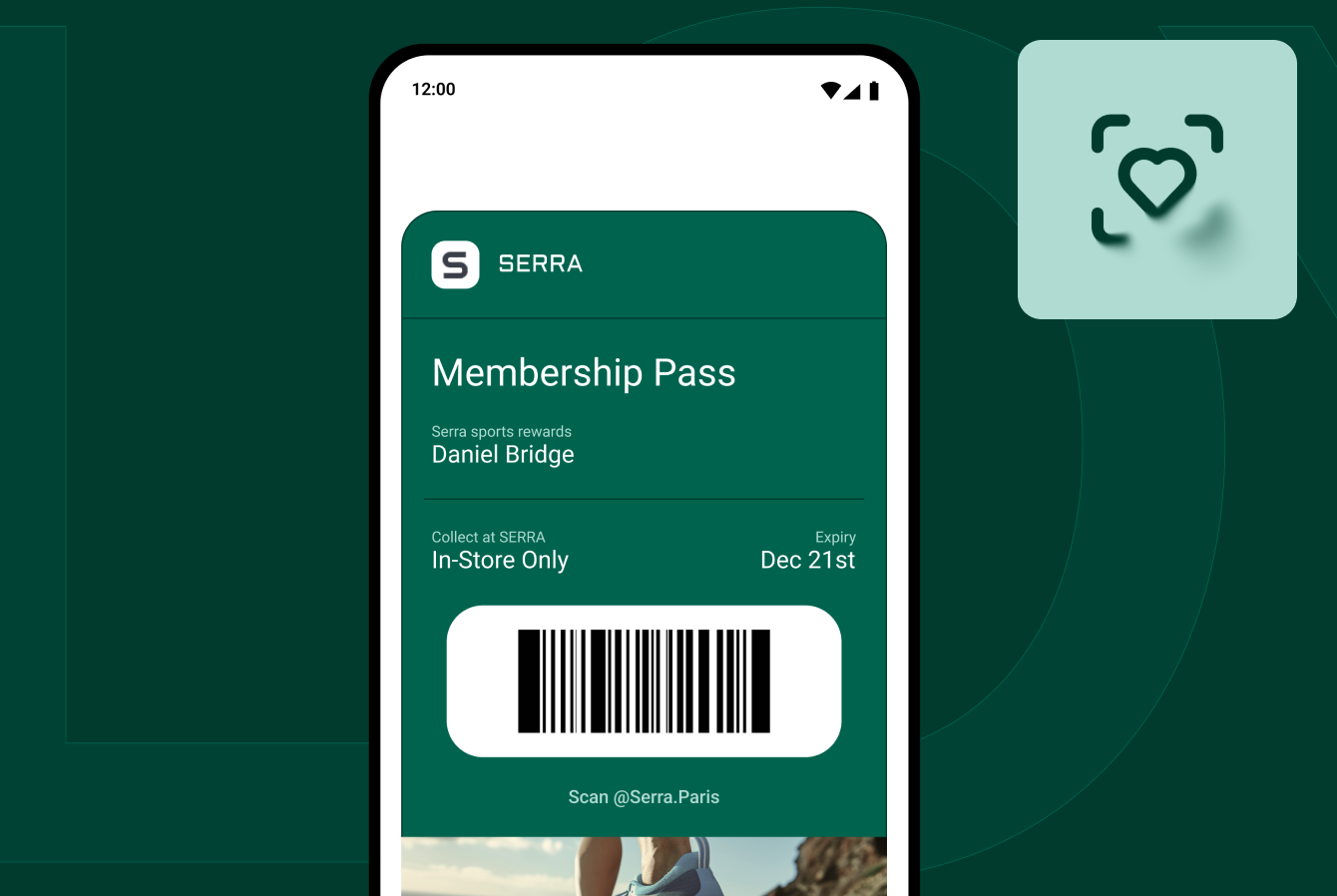
A loyalty or membership pass can carry a customer’s points, balance, tier, status and benefits. It can stay current as those things change. Relevant offers and program updates can appear directly through the pass and operating system notifications. And the relationship can remain one tap away without requiring a customer to repeatedly open or download an app, or hunt for a physical card in store.
That’s how we think about Wallet at Badge: not another marketing channel, and not as a ont-time “Add to Wallet” feature, but as a durable surface for the customer relationship.
Brand’s don’t own Apple Wallet, Google Wallet or Samsung Wallet. They can own the program and customer relationship that lives inside them.
The 0.3 point gap is a useful gut check
PYMNTS does not predict exactly when digital wallets will overtake cash, and the data shouldn’t be stretched into that forecast.
But a gap of 0.3 percentage points should still change how brands think about the category.
Wallet is no longer an emerging behavior that can safely sit at the bottom of a product roadmap. Consumers are already using it at meaningful scale. And the wallet itself is taking on more responsibility: not only presenting payment credentials, but increasingly holding value directly. PYMNTS.com
For brands, the strategic question is becoming less about whether to add a wallet pass and more about whether they have the infrastructure to operate that relationship over time: issuing it, keeping it current, connecting it to existing loyalty and customer systems, and extending it into new wallet-native experiences as the platforms evolve.
The companies building that infrastructure now will have room to experiment as consumer behavior continues to move.
The companies that wait will be starting the same work after the shift is already obvious.
If you’re trying to figure out what a real wallet strategy looks like beyond an “Add to Wallet” button, that’s the problem Badge exists to solve.
Source: PYMNTS Intelligence, “Apple Pay @11: Usage Is Up, but Competitors Are Gaining Ground” (October 2025), based on a survey of 3,339 U.S. consumers, as reported in “Digital Wallets Reach More Than 1 in 10 In-Store Payments,” PYMNTS.com, August 2026.
If you’re a brand trying to figure out what “own your wallet strategy” actually looks like in practice, that’s the problem Badge exists to solve.