How Travel Brands Extend the Guest Relationship in Wallets
Apple and Google Wallet have become the primary interface for travelers. Here is what that means for travel brands.
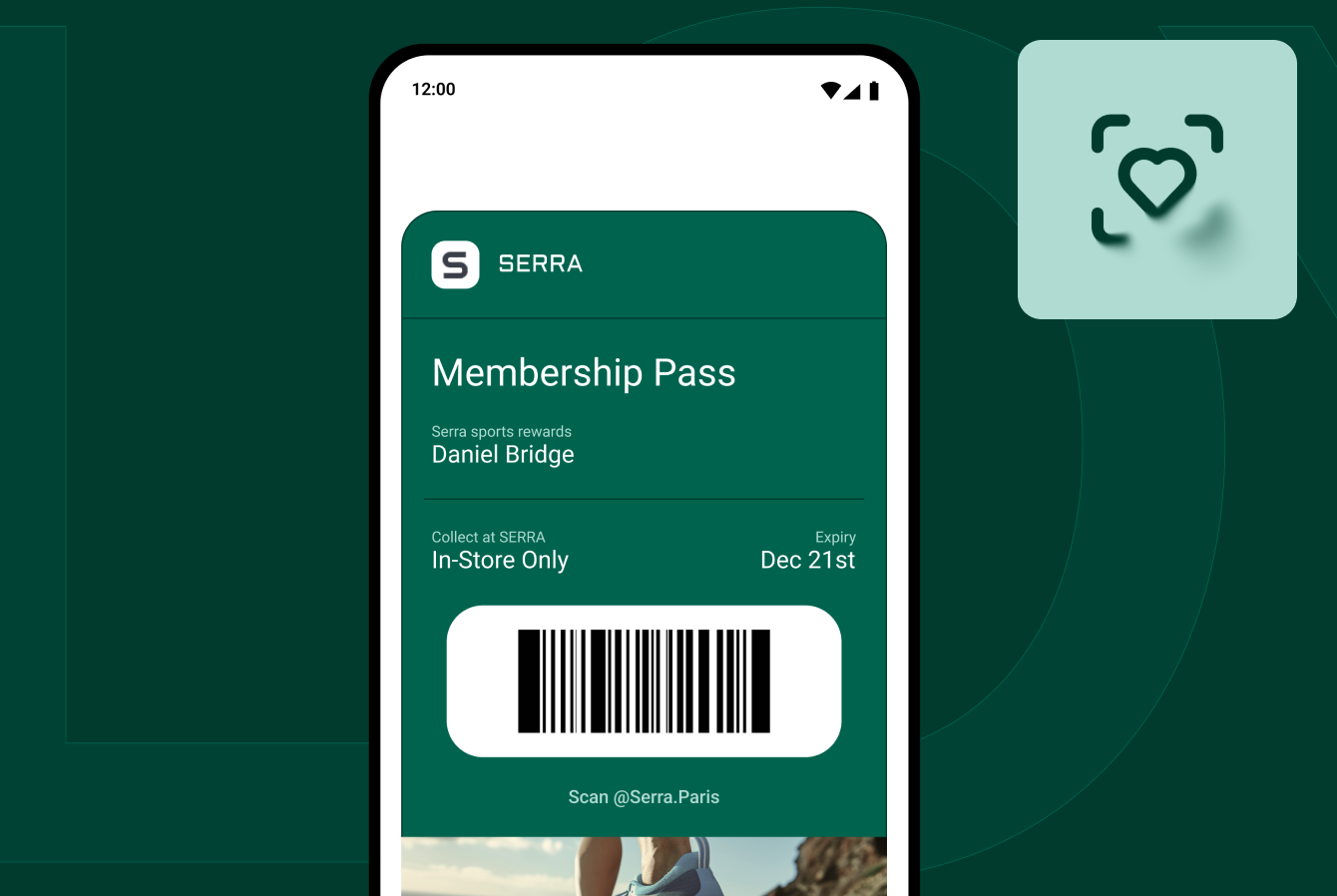
More than 4.3 billion people using Apple and Google Wallet worldwide. And with users carrying their phone wherever they go, the wallet is a natural place for travel brands to connect with customers.
Apple Wallet and Google Wallet are native operating system surfaces, present on nearly every smartphone. When a guest adds a pass, it lives on their device. It updates in real time and surfaces at the right moment based on time and location.
A Single Booking Becomes a Persistent Guest Identity
The moment a guest adds a wallet pass,they have opted into a direct, authenticated connection. This creates a durable, system-level presence tied to their device identity.
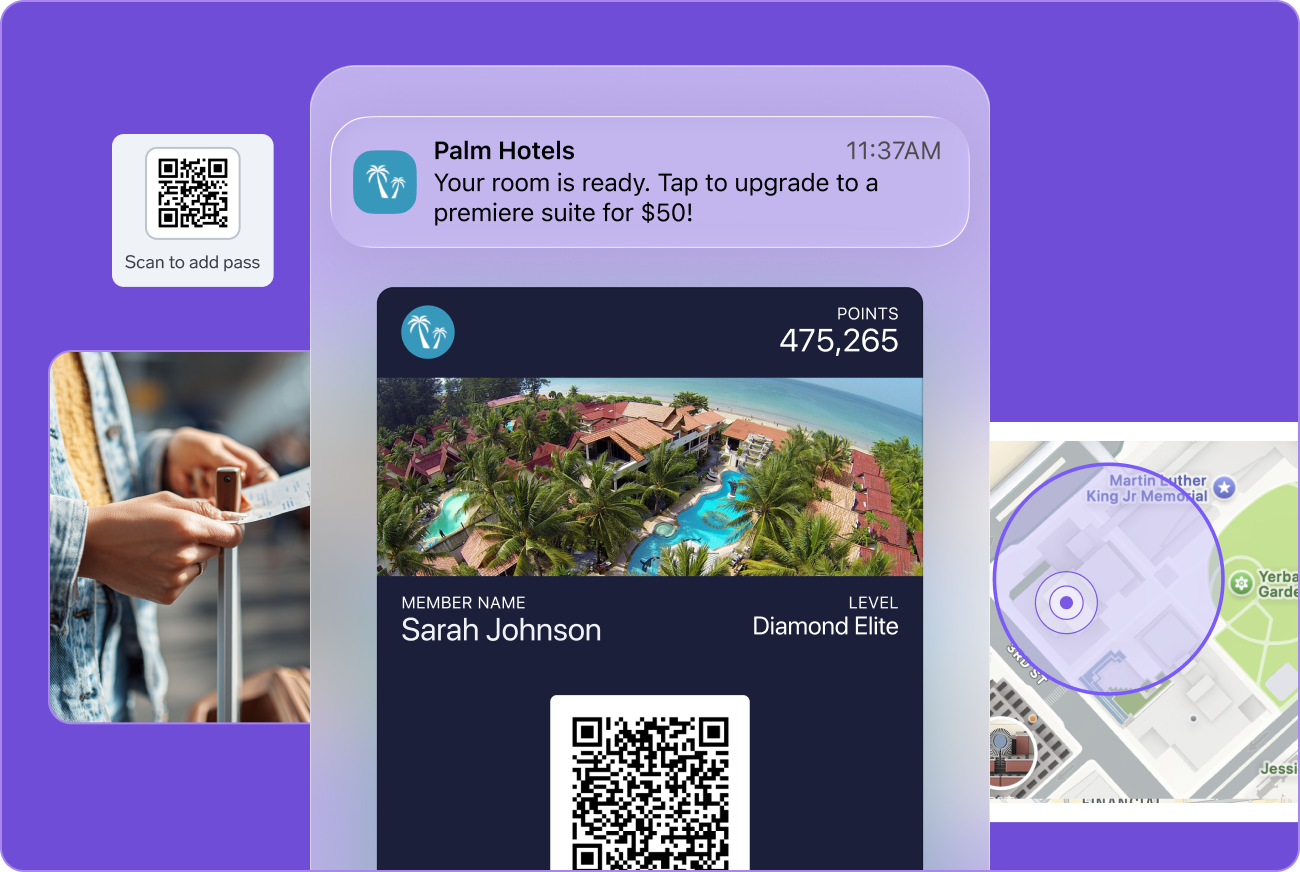
That pass can carry loyalty status, booking details, upgrade eligibility, and on-property access. It can be updated silently, without any action from the guest. And it can deliver proactive notifications to the lock screen, the highest-visibility placement on a smartphone, surfaced by the OS itself.
A Connection That Lasts the Length of the Guest Relationship
The guest journey has four programmable moments.
Because wallet passes update in real time and respond to time and location, travel brands can act across the full journey, not just at check-in.
— Pre-trip. Issue itinerary passes with upgrade offers and ancillary prompts. The guest has high intent and is still deciding. This is the moment to increase average booking value.
— In-transit. Surface day-of-travel updates, gate changes, and yield-optimized offers as the guest moves. Location and time triggers make these contextually relevant, not intrusive.
— On-property. Activate wallet passes as room keys, dining offers, and local partner access. Every scan is a measurable touchpoint tied to guest spend.
— Post-trip. Keep the pass active between stays. Update loyalty points. Surface re-booking incentives at the right moment. Turn a completed trip into the beginning of the next one.
Each stage is measurable end to end. Every pass interaction, notification delivery, and scan generates data tied directly to guest behavior and revenue.
Wallets Are Built for Travel
Travel has always had a timing problem. The guest is most engaged when they are actively traveling, but brands want to communicate year round to find opportunities for additional trips and drive incremental revenue at key moments. .
Wallet passes close that gap. They are present on the device the guest already has in their hand while they are in the airport, in the hotel, or in transit. They are a convenient, frictionless, direct line to your best customers.
The wallet is also a verified identity surface. It knows who the guest is, what tier they hold, and what they have purchased. That is the foundation for contextually relevant offers that convert.
Wallet is a Key Part of Your Infrastructure
The brands moving on this are not treating wallet passes as a one-off campaign tactic. They are building wallet infrastructure into the core of their guest experience stack.
That means issuing passes at scale, updating them programmatically, and measuring wallet performance with the same rigor applied to every other revenue channel. And connecting wallet data to loyalty, PMS, and commerce systems so the guest experience is coherent across every touchpoint.
Mobile wallets are now core commerce infrastructure for travel. The question is not whether to activate them. It is how to build on them well.
Badge is the wallet platform for travel. We provide the infrastructure for pass issuance, real-time updates, messaging, and measurement across Apple and Google Wallet.
Get in touch at travel@trybadge.com.